Climate Change in the Philippines
DOI:
https://doi.org/10.52428/27888991.v3i4.142关键词:
Climate Change, Climate responsibility, Natural disasters摘要
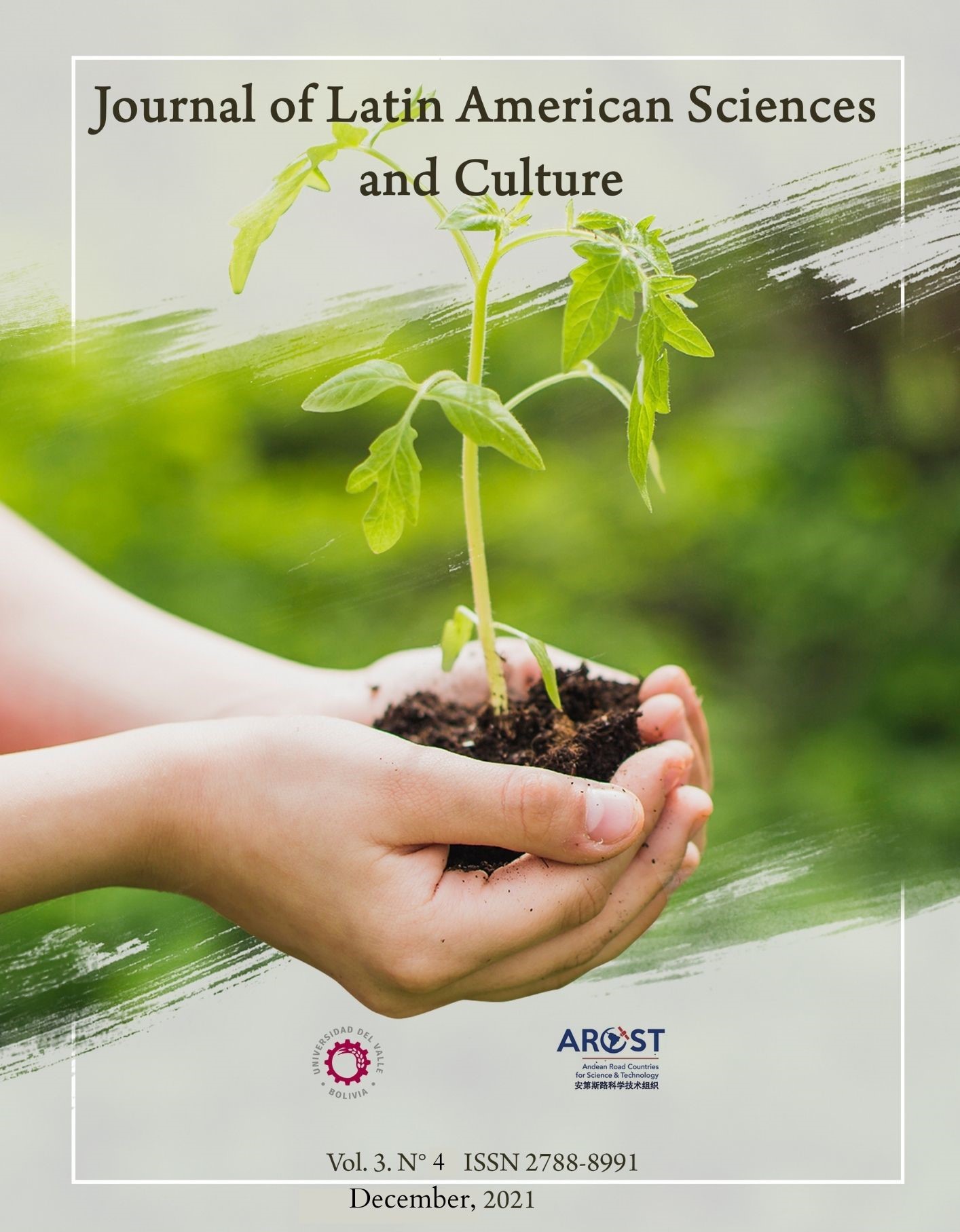
Impacts of Climate Change in the Philippines include threats to biodiversity such as coral loss, declining rice yields, more intense droughts, and higher sea-level rise. While there is a strong scientific consensus that human-caused greenhouse gas emissions are generating climate change that then contributes to stronger typhoons, the Filipinos have low responsibility for causing climate change. The struggle that is faced by the Philippines, as well as other developing countries, is more than just an environmental problem, it is an example of climate injustice.
Downloads
参考
Climate Change in the Philippines. (2021). https://www.pagasa.dost.gov.ph/information/climate-change-in-the-philippines
The Philippines is Third-Riskiest Country When it Comes to Natural Disasters. (2018). https://www.esquiremag.ph/life/travel/world-risk-index-2017-philippines-a00203-20180502
We have 12 years to limit climate change catastrophe, warns UN. (2018) https://www.theguardian.com/environment/2018/oct/08/global-warming-must-not-exceed-15c-warns-landmark-un-report
Downloads
已出版
How to Cite
期
栏目
License
Copyright (c) 2021 Journal of Latin American Sciences and Culture

This work is licensed under a Creative Commons Attribution 4.0 International License.
Authors who publish in this journal agree to the following conditions: Authors retain copyright and grant the journal the right of first publication, with the work licensed under a Creative Commons Attribution 4.0 International License, which allows others to use the published work provided they acknowledge the authorship and initial publication in this journal. Authors may enter into separate, additional contractual agreements for the non-exclusive distribution of the version of the article published in this journal (e.g., posting it to an institutional repository or publishing it in a book), provided they clearly indicate that the work was first published in this journal. Authors are permitted and encouraged to share their work online (e.g., in institutional repositories or on personal websites) before and during the manuscript submission process, as this can lead to productive exchanges and increased and faster citation of the published work.